Field Tools & Supplies

Livestock water & feed equipment

Start with reliable access and a system you can inspect. Measure existing connections, check water pressure and plan feed storage around the quantities you actually use.

Updated
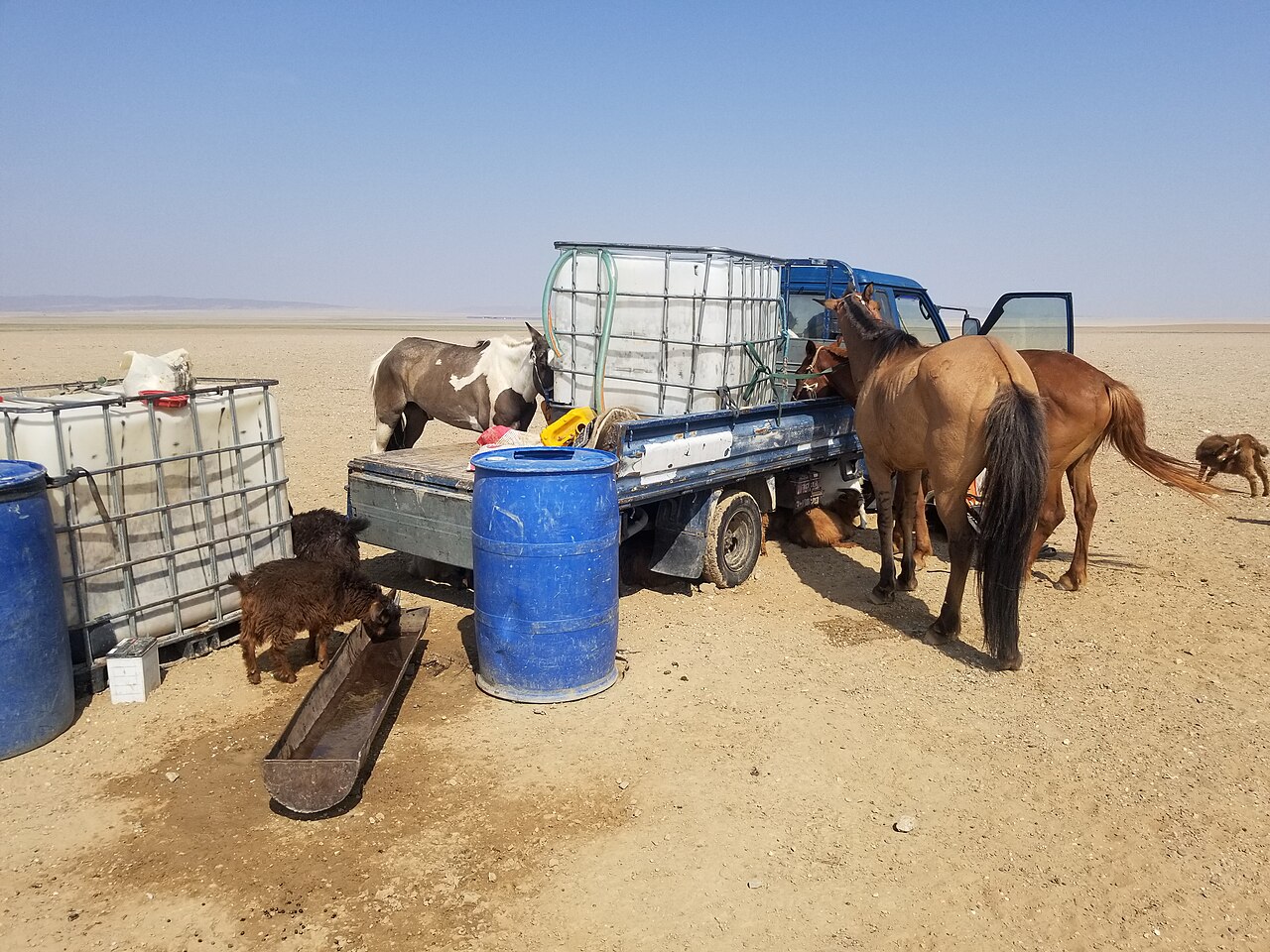
Livestock drinking from a portable trough connected to a vehicle-mounted water supply.

A portable livestock watering arrangement illustrates the relationship between storage, supply and the drinking point. It is not a recommendation of the pictured fittings or a water-quality assessment. Credit and license details are linked below.

Portabe water trough for livestock animal.jpg · Orgio89 · CC0 · Full credit & reuse terms

Choose equipment for the routine.

Measure the existing system

Write down connection sizes, thread types, supply pressure and trough depth before ordering a replacement. Similar-looking float valves may have different operating ranges. Check whether the animal can reach or damage the mechanism and whether you can service it without dismantling the whole installation.

Keep inspection in the routine

An automatic waterer still needs a person to check supply, cleanliness and animal access. Level alarms can miss a failure when batteries, signal or internet service are lost. Keep a simple physical check on the daily list and identify how to provide water while equipment is repaired.

Store feed for use and inspection

Choose storage materials suitable for feed contact, with lids staff can close consistently. Label contents and delivery dates and keep the surrounding area inspectable. A tight lid cannot correct damp feed, an unsuitable storage location or a damaged container.

Prepare for the actual weather

For heated equipment, check tank compatibility, outdoor ratings, cable protection and manufacturer installation instructions. Ask a qualified electrician about suitable circuits and ground-fault protection. Do not improvise electrical heating arrangements around water.

Treat storage and delivery as separate checks

The amount held in a tank is only part of the system. Consider how water reaches the drinking point, how quickly the system replenishes it and whether all animals can reach it. A replacement valve cannot correct an undersized supply or an inaccessible trough. Penn State’s watering-facility overview is a useful starting point for discussing a whole system with a local adviser.

Keep a specification note by the equipment

Photograph the model label and record fitting dimensions, manufacturer pressure limits, mounting arrangement and the parts already installed. Measure directly rather than guessing from a retailer photograph. Note which component has failed and whether the manufacturer sells its seal, float or lid separately. Compare the cost and practicality of a repair with replacing an otherwise serviceable assembly.

Make feed stock easy to rotate

Keep the feed identity, delivery or opening date and relevant lot information readable at the storage point. Arrange containers so older suitable stock can be used without emptying new material over it. Do not combine feeds merely because their bags look similar. When a container is damaged or contents appear unsuitable, follow the farm’s feed-management process rather than assuming a new lid resolves the contents.

Plan maintenance access

Check whether staff can reach a drain, lift the lid and remove an inlet cover without climbing over an animal barrier. Leave room for the tools the manufacturer specifies. Locate spare compatible parts and instructions where the next person can find them. Record a fallback supply and who should be called when a fault cannot be safely corrected.

Fictional planning example

A leaking trough needs a measured replacement

Fictional planning example: a float valve no longer closes, and a visually similar replacement appears in a search. The keeper records the existing connection, pressure rating and mounting space, then checks the manufacturer’s part information. If a compatible replacement is unavailable, the next step is advice about the system rather than forcing mismatched threads or improvising a seal.

Match the equipment to the job

Questions to settle before comparing listings
Your taskWhat to compareChecks to record
A worn trough inletA compatible float or valve assemblyThreads, pressure range, mounting and service access
Water access between visitsA level alert as an additional observationPower, signal, notification recipient and a physical check
Feed storage needing clearer rotationSuitable containers and durable labelsContents, lot/date information, lid fit and inspectable surroundings

Equipment categories to compare

Each link opens an Amazon search, with multiple possible listings. Check the actual manufacturer and seller details before choosing.

Equipment category · search guide

Automatic livestock waterer float

Replace or add a float-controlled trough inlet.

Before buying: Verify thread size, working pressure, flow needs and freeze exposure before ordering.

Browse automatic livestock waterer float on Amazon

Equipment category · search guide

Heated livestock water bucket

Maintain a suitable bucket in cold weather.

Before buying: Check intended species, electrical rating, cable protection and outdoor installation instructions.

Browse heated livestock water bucket on Amazon

Equipment category · search guide

Water level alarm sensor

Flag a change in water level for follow-up.

Before buying: Check sensor mounting, alarm range, battery needs and what happens during power or network loss.

Browse water level alarm sensor on Amazon

Equipment category · search guide

Trough cleaning brush

Reach trough surfaces for routine cleaning.

Before buying: Check handle length, brush fit and surface compatibility; a brush does not establish water quality.

Browse trough cleaning brush on Amazon

Equipment category · search guide

Galvanized feed storage can

Organize feed in a durable lidded container.

Before buying: Confirm feed-contact suitability, capacity and lid fit. Inspect for corrosion and moisture.

Browse galvanized feed storage can on Amazon

Equipment category · search guide

Rodent resistant feed bin

Reduce easy pest access to stored feed.

Before buying: Check lid closure, seams and damage regularly. No container replaces pest monitoring or good storage.

Browse rodent resistant feed bin on Amazon

Equipment category · search guide

Digital hanging feed scale

Measure feed quantities for consistent records.

Before buying: Verify scale capacity, resolution and calibration; follow the ration plan rather than estimating from scoop volume.

Browse digital hanging feed scale on Amazon

Equipment category · search guide

Feed bin label stickers

Mark feed identity and dates at the storage point.

Before buying: Check adhesion on the container material and readability after moisture exposure.

Browse feed bin label stickers on Amazon

Equipment category · search guide

Milk collection temperature probe

Take a spot temperature reading with a suitable probe.

Before buying: Check intended food-contact use, measuring range and calibration; temperature alone does not establish safety.

Browse milk collection temperature probe on Amazon

Before you order

  • Measure fittings and record pressure requirements.
  • Confirm the container is suitable for its contents.
  • Assign checks for leaks, damage and water access.
  • Plan a supply interruption and weather backup.

Keep the instructions and model number with the maintenance record. Review what worked after installation before buying additional units.

Common questions

Can the same valve fit every stock tank?

No. Connection type, pressure range and mounting geometry differ. Use the actual specifications of the tank and supply.

Does a clear-looking trough establish water quality?

No. Appearance is only one observation. Consult appropriate local guidance on water suitability and testing rather than relying on a photograph or thermometer.

Should an alarm replace an inspection visit?

No. A sensor observes only the condition and location it is designed to measure. Batteries, mounting or the communication link can fail.

Sources & further reading

Checked November 3, 2026. These sources support the stated background topics. Buying comparisons, questions and fictional examples are original editorial guidance.

  1. Penn State Extension — An Introduction to Watering Facilities

    Watering systems, source and delivery considerations; the purchasing examples and comparison table are original editorial material.

Source publishers and image creators do not endorse this site or the products linked here. For equipment care, use current registered product labels, manufacturer instructions and the farm’s professional guidance.